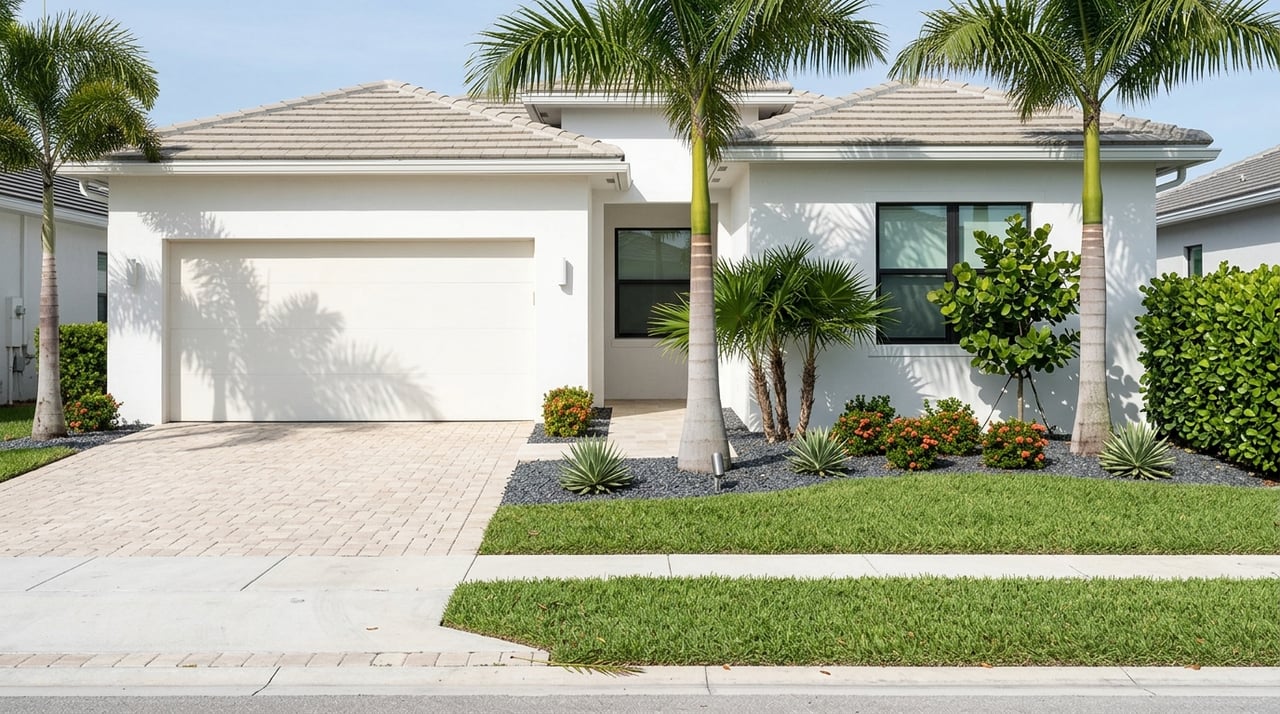
If you start your Boynton Beach home search thinking every neighborhood feels the same, you could end up looking in the wrong places first. This city offers a lot more variety than many buyers expect, from coastal pockets near the marina to redevelopment in the core and more suburban living farther inland. When you understand how Boynton Beach is laid out, you can match your budget, lifestyle, and commute more quickly and with fewer surprises. Let’s dive in.
Why Boynton Beach Feels So Different
Boynton Beach is not a one-note beach town. The city had an estimated population of 83,095 in 2024, with a 64.7% owner-occupied housing rate, a median owner-occupied home value of $351,100, and a median gross rent of $2,041. Those numbers point to a market with a mix of owners, renters, housing types, and price points.
The city also offers a wide range of everyday amenities. Residents have access to 29 parks, nine recreation centers, a municipal beach, Boynton Harbor Marina, and The Links golf facility. Add in direct access to the Florida Turnpike, three I-95 exits, and a Tri-Rail station, and you get a city where both lifestyle and commuting shape neighborhood choices.
How to Think About Boynton Beach Areas
A simple way to understand Boynton Beach is to break it into three broad buyer choices. You have coastal living east of I-95, redevelopment-focused living in the core, and more suburban or golf-oriented living inland. That framework helps you narrow your search based on how you want to live, not just where a listing appears on a map.
The city also uses labels like Downtown, Central Boynton, North Boynton, South Boynton, and Town Square Redevelopment. For buyers, that is useful because it confirms Boynton Beach works more like a collection of submarkets than one continuous neighborhood. Each area comes with its own tradeoffs around housing style, mobility, and atmosphere.
East of I-95 Living
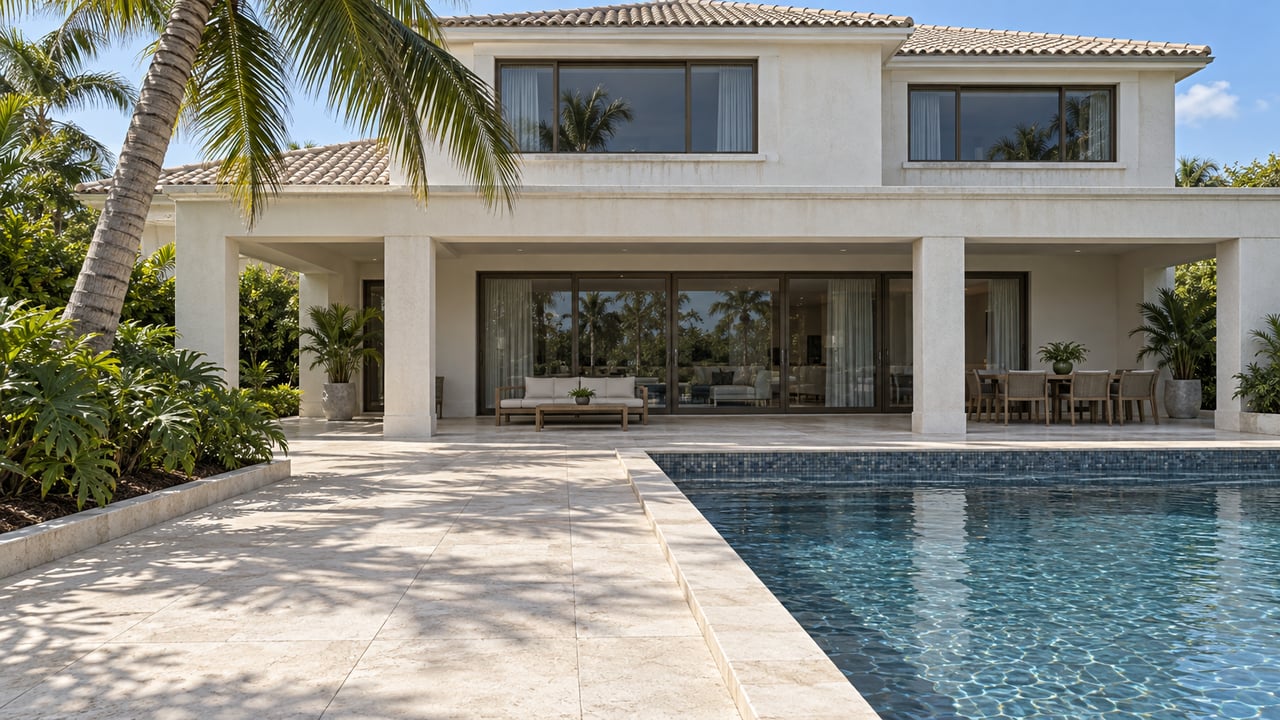
If beach access, boating, and a coastal feel matter most to you, start east of I-95. This part of Boynton Beach is where the city’s beach and marina identity is strongest, and it includes a mix of established residential areas rather than one single style of community. City land use materials show single-family homes, attached homes, condominiums, multifamily rental, and mobile homes in the coastal area.
That variety is important because it gives buyers more than one way to get close to the water. Some areas lean toward condos or attached living, while others include detached homes and long-established residential patterns. Communities identified on city maps include Casa Loma, Boynton Bay, Harbors, Lakeside Harbour, Manatee Bay, and the Crossings.
This side of town also puts you closer to some of Boynton Beach’s signature lifestyle amenities. The city says Oceanfront Park is about a 20-minute walk or 7-minute bike ride from downtown, and Boynton Harbor Marina sits about half a mile south of the Boynton Inlet. The marina offers fishing charters, boat rentals, and waterfront dining.
Coastal Tradeoffs to Know
The biggest issue to understand on the east side is flood exposure. The city’s resilience materials say low-lying coastal communities are vulnerable to tidal flooding and sea-level rise, and city planning documents track flood zones, storm surge areas, and hurricane evacuation routes. If you are shopping east of I-95, flood insurance, elevation, and evacuation details should come up early in your search.
That does not mean coastal Boynton is off the table. It means you should weigh convenience and water access against insurance costs and storm-related planning. For many buyers, that is a worthwhile trade if the lifestyle fit is strong.
Downtown and Central Boynton
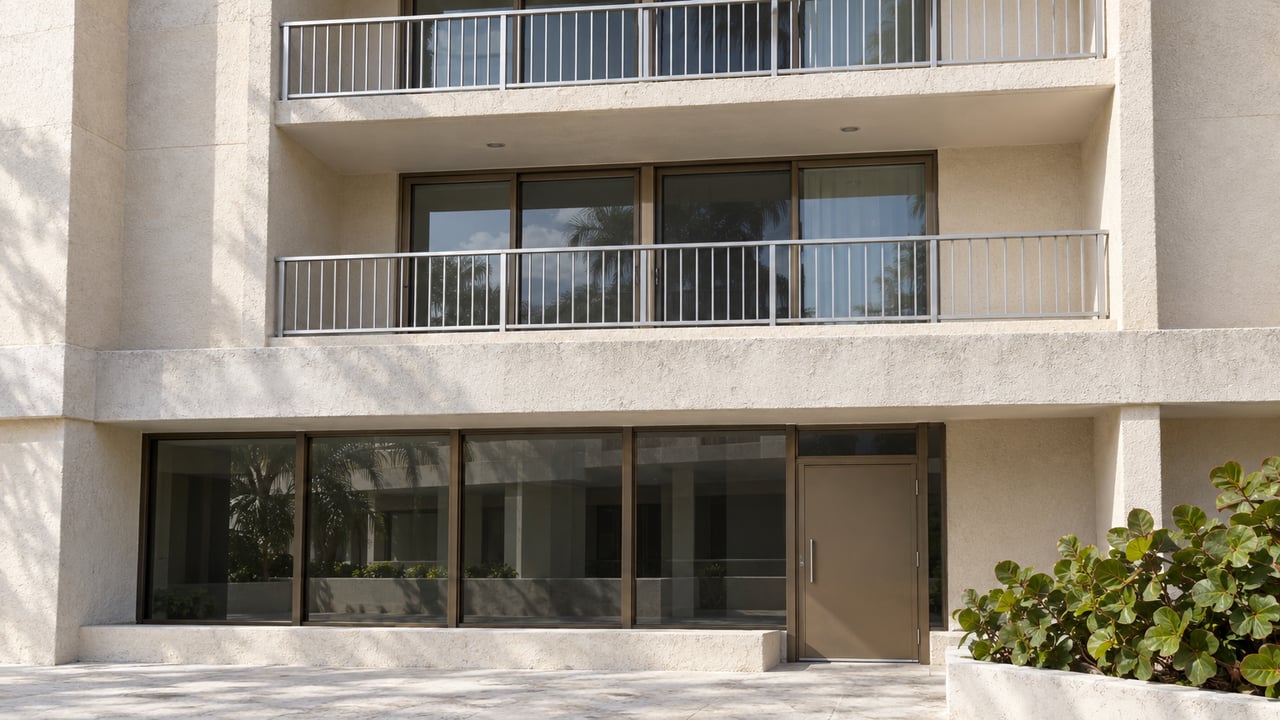
If you want a more connected, urban feel, downtown and central Boynton deserve a close look. The city clearly separates Downtown, Central Boynton, and the Town Square Redevelopment area, and its current action agenda highlights multiple downtown projects. That suggests a part of the city that is still evolving and adding newer mixed-use and multifamily options.
This area often makes the most sense when you care more about location and access than about having a large yard. Proximity to Ocean Avenue and Federal Highway can make it easier to stay close to restaurants, civic spaces, and everyday destinations. Buyers who like an active, in-town environment may find this part of Boynton Beach especially appealing.
The city also ties downtown to arts and culture amenities. Public art, the Boynton Beach Cultural Center, and the broader Town Square vision all support the idea of a neighborhood core with more energy and change than a traditional suburban area. If you like seeing new investment and redevelopment, this is where to pay attention.
Who Downtown Fits Best
Downtown and central Boynton can be a smart match if you want:
- A more walkable daily routine
- Easier access to Ocean Avenue and Federal Highway
- Newer mixed-use or multifamily housing options
- A central location near civic and cultural amenities
The tradeoff is usually space. If your wish list centers on a larger lot, a quieter suburban layout, or a golf-oriented setting, you may feel more comfortable farther inland.
North Boynton and Transit Access
For buyers who want to keep commuting options open, North Boynton stands out. The city’s transportation and area maps point to the High Ridge, Gateway, and Congress corridor, which includes the Boynton Beach Tri-Rail station just west of I-95. That gives this area a practical edge for buyers who want rail access without giving up easy car access.
The Tri-Rail station is located at 2800 High Ridge Road and includes free parking. It also connects to Palm Tran routes 70, 71, and 73. If your schedule involves regular travel through Palm Beach or Broward, that kind of transportation flexibility can shape your neighborhood search in a big way.
This corridor is also strong for errands and services. City transportation materials place major destinations here, including Boynton Town Center, Boynton Beach Mall, Bethesda Memorial Hospital, and the city hall complex. That can make North Boynton feel practical and efficient, even if it does not have the same beach-first identity as the east side.
West Boynton and Inland Living
If your ideal neighborhood feels more suburban, west Boynton is worth exploring first. The city describes The Links as a western community location with an 18-hole championship course and a 9-hole family course. The city’s strategic planning also points to future recreation investment and additional housing options on the west side.
That makes inland Boynton a strong fit for buyers who want traditional neighborhood planning, recreational amenities, and some distance from the coastal flood questions that come up farther east. The city has also signaled interest in expanding housing choices here, including single-family homes, condos, townhomes, and apartments.
What to Expect Inland
West Boynton should not be seen as isolated. The city’s mobility goals call for better east-west connectivity and support a range of transportation options, including walking, biking, golf carts, scooters, and e-bikes. Still, this part of Boynton is generally more car-oriented and less immediately walkable than downtown or some coastal pockets.
For many buyers, that tradeoff feels very reasonable. You may get a more traditional residential setup and access to recreation, while staying connected to the rest of the city by major roads and planned mobility improvements.
Key Tradeoffs Buyers Should Weigh
Every Boynton Beach area solves a different problem. The goal is not to find the "best" neighborhood in general, but the right fit for how you live.
Here are some of the biggest tradeoffs to think through:
- Coastal convenience vs. storm exposure: East of I-95 offers stronger beach and marina access, but flood and evacuation questions matter more.
- Transit vs. driving: North Boynton has the city’s Tri-Rail station, while other areas may work better if you rely mostly on a car.
- Urban feel vs. more space: Downtown and central Boynton offer a more mixed-use, connected feel, while inland areas lean more suburban.
- Established housing vs. newer product: Coastal areas show a broad mix of older housing types, while redevelopment zones and future growth areas may offer newer options.
A Smart Search Strategy
If you are just starting your search, it helps to narrow Boynton Beach in the right order. Buyers often save time when they choose the non-negotiables first and the nice-to-haves second.
A practical way to do that is:
- Choose your commute anchor first. If rail matters, start near High Ridge and Gateway. If road access matters more, focus on proximity to I-95 or the Turnpike.
- Choose your lifestyle anchor second. Start east of I-95 for beach and boating, downtown or central Boynton for a more urban setting, and west Boynton for golf or a more suburban feel.
- Choose your property type third. Boynton Beach includes detached homes, attached homes, condos, multifamily rental, and mobile homes in the coastal area, plus other housing types the city plans to continue adding.
- Verify flood and evacuation details last. This matters most in coastal and low-lying locations, but it is smart to confirm before you get too far into the process.
Bottom Line for Buyers
Boynton Beach makes more sense when you stop thinking of it as one market. It is really a set of neighborhood choices shaped by water access, redevelopment, commuting patterns, and housing variety. Once you know whether you want coastal living, central convenience, or inland space, the search becomes much more focused.
If you want local guidance sorting through Boynton Beach neighborhoods, housing types, and lifestyle tradeoffs, Mari Juliette can help you narrow the right fit with clear, responsive support.
FAQs
What should buyers know about Boynton Beach neighborhoods before touring homes?
- Boynton Beach is best understood as three broad choices: coastal living east of I-95, redevelopment-centered living in the core, and more suburban or golf-oriented living inland.
Which Boynton Beach area is best for beach and marina access?
- Buyers who want stronger access to Oceanfront Park, Boynton Harbor Marina, and a coastal lifestyle should usually start east of I-95.
Which Boynton Beach neighborhoods are best for commuting?
- North Boynton is the city’s most transit-friendly area because it includes the Boynton Beach Tri-Rail station near High Ridge Road, along with strong road access.
What should buyers check in coastal Boynton Beach areas?
- In east-of-I-95 and other low-lying areas, buyers should review flood exposure, insurance considerations, elevation, storm surge context, and evacuation details early in the process.
What kind of homes can buyers find in Boynton Beach neighborhoods?
- Depending on the area, buyers may find single-family homes, attached homes, condos, multifamily rental properties, and mobile homes, especially in the coastal parts of the city.
Which Boynton Beach area feels more suburban?
- West Boynton is generally the best fit for buyers who want a more suburban layout, golf-oriented amenities, and a less coastal lifestyle.