Dreaming of a South Florida beach town where you can leave the car parked and still enjoy restaurants, shops, and the ocean within a few blocks? Lauderdale-by-the-Sea stands out for exactly that reason. If you want a coastal lifestyle that feels smaller, calmer, and easier to navigate than many nearby cities, this town deserves a closer look. Let’s dive in.
Why Lauderdale-by-the-Sea Feels Different
Lauderdale-by-the-Sea is a very small barrier-island town of about 1.5 square miles, set between the Atlantic Ocean and the Intracoastal Waterway. It is bordered by Fort Lauderdale and Pompano Beach, but its scale gives it a much more intimate feel. That smaller footprint shapes daily life in a big way.
The town’s population is just over 6,300 by recent Census estimates, and the town says its seasonal population rises above 10,000 in winter. That means you get a place with an established year-round community and a seasonal boost in activity. The overall feel stays more beach village than big-city coastline.
Local sources describe Lauderdale-by-the-Sea as walkable, accessible, and friendly. The town’s own planning materials also point to its small scale and walkability as key reasons people are drawn here. If you are searching for a quieter alternative to larger South Florida coastal areas, that is a major part of the appeal.
Walkability Shapes Everyday Life
One of the biggest lifestyle advantages in Lauderdale-by-the-Sea is how compact the core of town feels. The official walking tour connects places like the Visitor Center, Town Hall, El Prado Park, the beach pavilion, the Village Pump, and nearby shops and plazas. That layout tells you a lot about how the town works.
Instead of long stretches of disconnected commercial space, activity is centered in a few easy-to-reach spots. Retail is concentrated on Commercial Boulevard and on Ocean Boulevard south of Commercial Boulevard. As a result, everyday outings can feel simple and spontaneous.
This setup matters if you value convenience. You may be able to walk from your home or condo to coffee, casual dining, the beach, or an evening stroll without planning around a long drive. For many buyers, that is the heart of the Lauderdale-by-the-Sea lifestyle.
A Car-Light Lifestyle Is Possible
Living here does not always mean living completely car-free, but it can support a car-light routine. The town notes that residents and visitors can use Circuit-By-The-Sea shuttles within Lauderdale-by-the-Sea, Galt Ocean Mile, and Coral Ridge Mall. That adds another layer of mobility for short local trips.
At the same time, parking is part of daily planning. The town uses a pay-by-plate parking system, and local zoning also regulates parking as part of development standards. So while the town is easier to navigate than many South Florida areas, it still helps to think practically about where you live, how often you drive, and what your building or home offers for parking.
For some buyers, this balance is ideal. You still have access to a car when you need it, but you may not rely on it for every small errand or outing.
Beach Access Is Part of Daily Routine
In Lauderdale-by-the-Sea, the beach is not just nearby. It is part of the town’s identity. That changes the rhythm of daily life, especially if you value simple access to the water before work, after dinner, or on a quiet weekend morning.
The town is also known for shore diving. Town facts note that coral reefs sit about 100 yards offshore, and divers are often seen entering the water from the beach. The local chamber refers to Lauderdale-by-the-Sea as Florida’s Shore Dive Capital, which gives the town a recreation-focused coastal personality that feels distinct from many other beach communities.
If you want a place where outdoor activity is built into the setting, this is one of the strongest lifestyle draws. Even if you are not a diver, living near a beach with this kind of everyday access can shape how you spend your time.
The Pier Area Still Anchors the Town
Anglin’s Fishing Pier is one of the most recognizable landmarks in Lauderdale-by-the-Sea. Right now, the town says the pier is closed to the public while repairs and permitting continue. It is also privately owned, which is important context for anyone expecting full public access today.
Even with the closure, the pier area remains a visual and social anchor for the beachside district. Anglin’s Beach Café remains open, and the surrounding area still helps define the town center. When you picture Lauderdale-by-the-Sea, this is often the setting people have in mind.
Dining Feels Local and Clustered
If chain-heavy commercial corridors are not your style, Lauderdale-by-the-Sea may feel refreshing. The town’s strategic plan describes the restaurant scene as mostly unique and not chain-owned. That supports the more personal, village-like character many buyers are looking for.
Dining is concentrated rather than spread out. Official visitor information highlights spots along Commercial Boulevard and El Mar Drive, including restaurants near the beach and within the town core. That makes it easy to build a routine around a few favorite places instead of driving across a larger metro area for every meal out.
For buyers who care about atmosphere, this can be a major quality-of-life factor. A compact dining cluster often creates more street activity, easier evenings out, and a stronger sense of place.
Low-Rise Housing Defines the Look
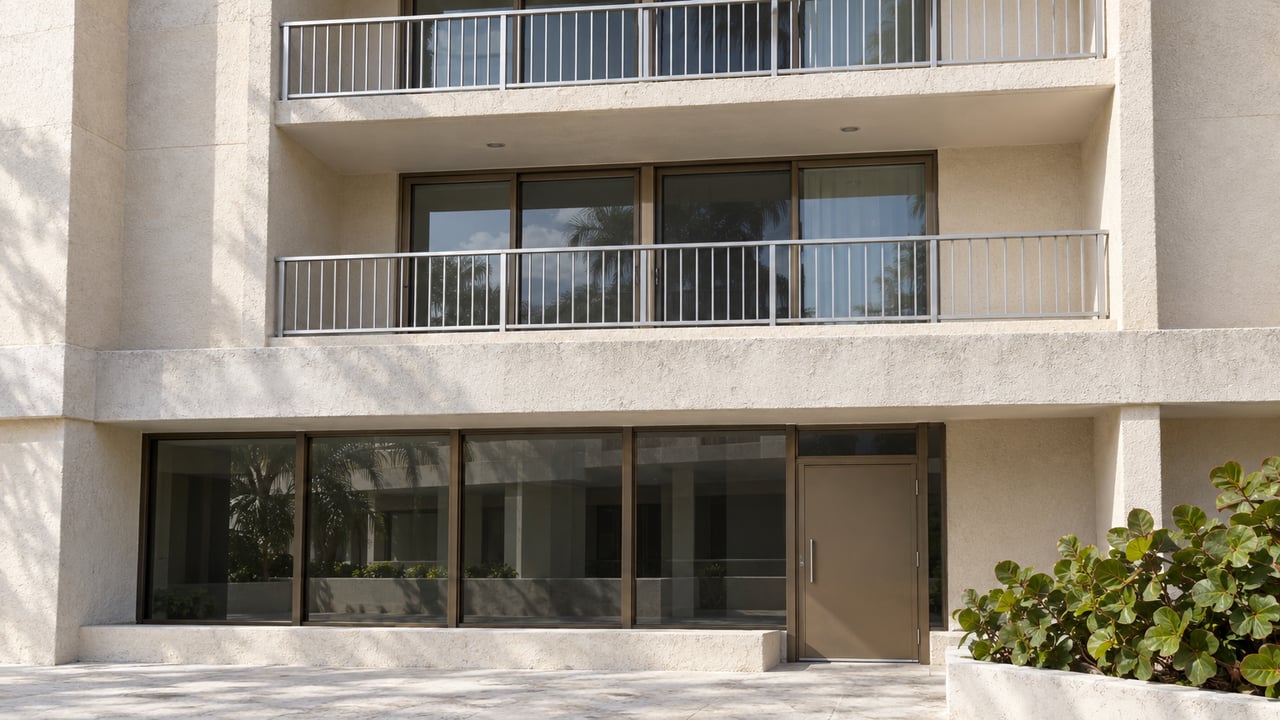
Lauderdale-by-the-Sea feels visually different from more tower-heavy coastal markets because of how the town has approached development. The planning division says voters have long limited new development height to no more than three to four stories. Zoning also governs height, density, setbacks, and parking.
That matters because the built environment influences how a place feels on the ground. In Lauderdale-by-the-Sea, the lower-rise streetscape helps preserve a more relaxed and human-scale setting. If you prefer a coastal town that does not feel dominated by high-rise construction, this is one reason the town stands out.
What Homes Are Common Here
The town’s housing inventory shows that Lauderdale-by-the-Sea is primarily multifamily. Single-family homes have historically made up about 15% of units, while low- to medium-density structures account for nearly 52% of the housing stock. In practical terms, that means condos and attached housing are a major part of the local market.
For many buyers, low-rise condos and smaller attached communities are the most natural fit for the town’s built form. That does not mean single-family options do not exist, but they are a smaller share of the inventory. Your search may go more smoothly if you start with realistic expectations about what is most common here.
Market Pace and Buyer Expectations
Recent Broward County condo and townhouse metrics for Lauderdale-by-the-Sea showed 27 closed sales in Q4 2025, a median sale price of $415,000, 137 active listings, and 9.6 months of supply. Those numbers suggest meaningful inventory in the condo and townhome segment. They also suggest a market that is not moving at an unusually fast pace.
That can create opportunity for buyers who want time to compare options carefully. It can also mean sellers need a smart pricing and positioning strategy. In a market like this, understanding building differences, location within town, and flood-related factors can matter just as much as the headline price.
Census data also shows an owner-occupied housing unit rate of 78.0%, a median owner-occupied value of $680,900, and median gross rent of $1,787. Together, those figures reinforce Lauderdale-by-the-Sea as a relatively high-value coastal market with a mix of owner-occupants, seasonal owners, and renters.
Flood Zones Matter in Your Search
In a coastal town like Lauderdale-by-the-Sea, flood context is not a side detail. The town says properties east of the Coastal Construction Line, generally on the east side of El Mar Drive, and many parcels near the Intracoastal Waterway or connecting canals are in Special Flood Hazard Areas. That makes location-specific due diligence especially important.
If you are shopping for a condo, townhouse, or single-family property here, it helps to look closely at flood zone, insurance considerations, elevation, and building resilience. Two homes that feel similar at first glance may come with very different ownership costs or risk considerations. This is one of the most practical parts of evaluating the town’s lifestyle and value.
Who Lauderdale-by-the-Sea Fits Best
Lauderdale-by-the-Sea can be a strong fit if you want a walkable beach setting, a lower-rise environment, and a more compact local scene. It may also appeal to second-home buyers and relocators who value a coastal address with a quieter, more village-like atmosphere. The town’s scale is a feature, not a limitation, for the right buyer.
It may be less ideal if you want a large urban downtown feel, a wide range of housing types in every price point, or a place where you rarely need to think about parking and flood considerations. Like any coastal market, the lifestyle comes with tradeoffs. The key is making sure those tradeoffs match your priorities.
What to Consider Before You Buy
Before you buy in Lauderdale-by-the-Sea, it helps to focus on a few essentials:
- How important walkability is to your daily routine
- Whether you prefer low-rise condos, attached housing, or a limited single-family inventory
- Your comfort with parking logistics and a car-light lifestyle
- The property’s flood zone, elevation, and insurance implications
- Whether you want to be closer to the beach core, the Intracoastal side, or a quieter pocket of town
When you line up those factors with your goals, Lauderdale-by-the-Sea becomes easier to evaluate. The town offers a very specific lifestyle, and that clarity is part of its appeal.
If you are exploring Lauderdale-by-the-Sea or nearby coastal Broward communities, working with a local brokerage that understands beach-area condos, lifestyle priorities, and investment angles can make the search more strategic. Connect with Mari Juliette for personalized guidance on buying, selling, relocating, or investing along South Florida’s coast.
FAQs
What is Lauderdale-by-the-Sea known for?
- Lauderdale-by-the-Sea is known for its walkable small-town beach setting, low-rise coastal character, easy beach access, and shore diving near coral reefs about 100 yards offshore.
Is Lauderdale-by-the-Sea a walkable town for daily life?
- Yes. The town core is compact, with activity centered around Commercial Boulevard, Ocean Boulevard, plazas, parks, the beach pavilion, and nearby shops and restaurants.
What types of homes are common in Lauderdale-by-the-Sea?
- Multifamily housing is the most common, and the town’s housing inventory suggests condos and smaller attached communities are a major part of the local housing stock.
Is Anglin’s Fishing Pier open in Lauderdale-by-the-Sea?
- No. The town says Anglin’s Fishing Pier is currently closed to the public while repairs and permitting continue, although Anglin’s Beach Café remains open.
Do flood zones matter when buying in Lauderdale-by-the-Sea?
- Yes. The town says many properties east of the Coastal Construction Line and near the Intracoastal Waterway or connecting canals are in Special Flood Hazard Areas, so flood-related due diligence is important.
Is Lauderdale-by-the-Sea a fast-moving condo market?
- Recent Broward County condo and townhouse metrics showed 9.6 months of supply in Q4 2025, which suggests meaningful inventory and a market that is not moving at a rapid pace.