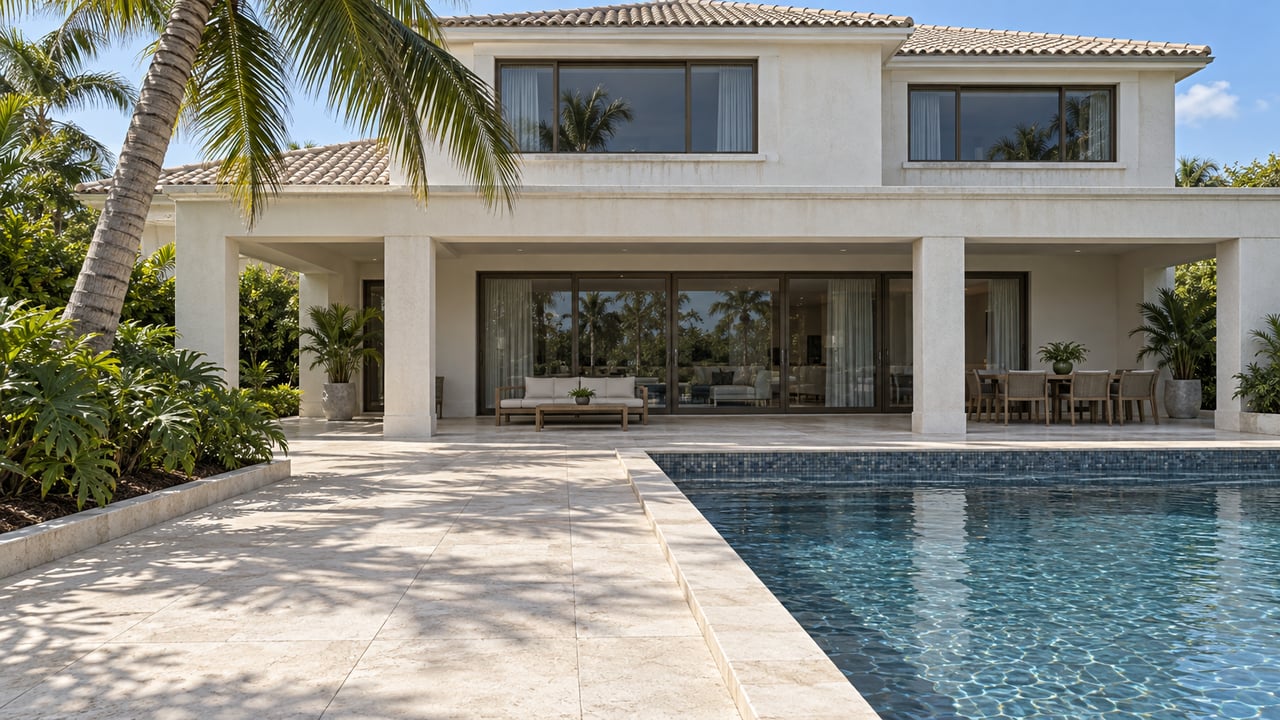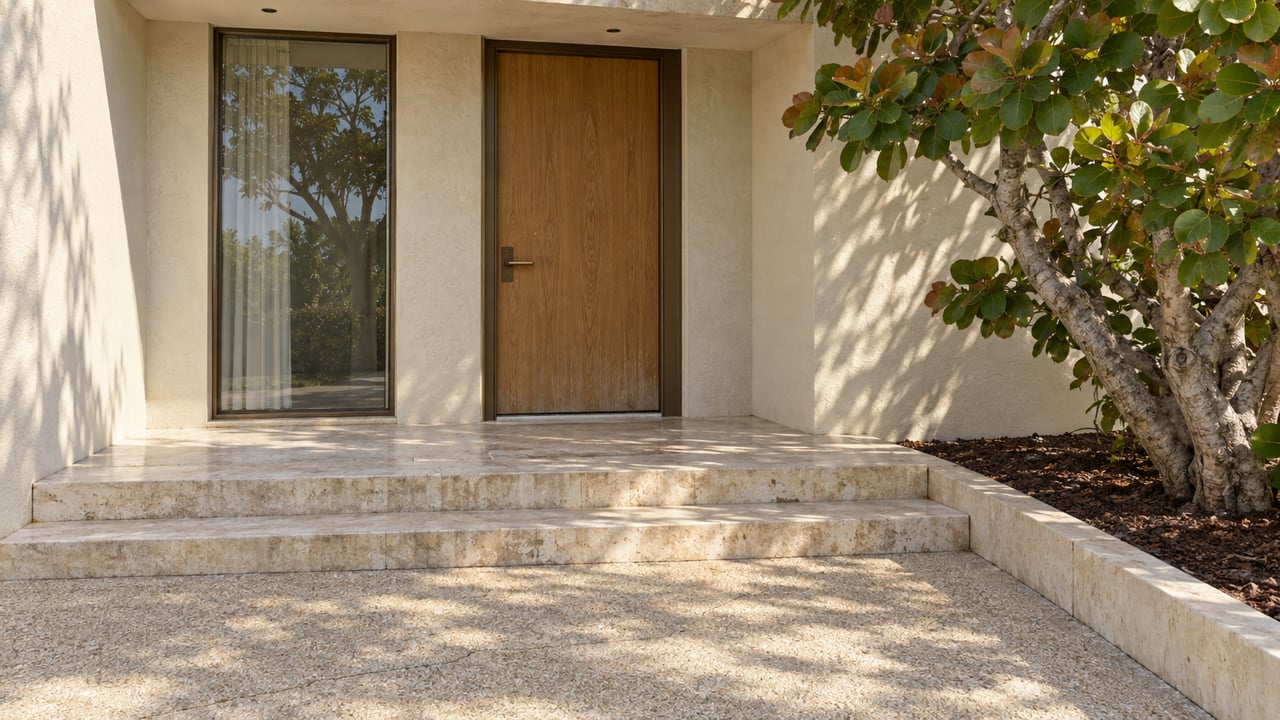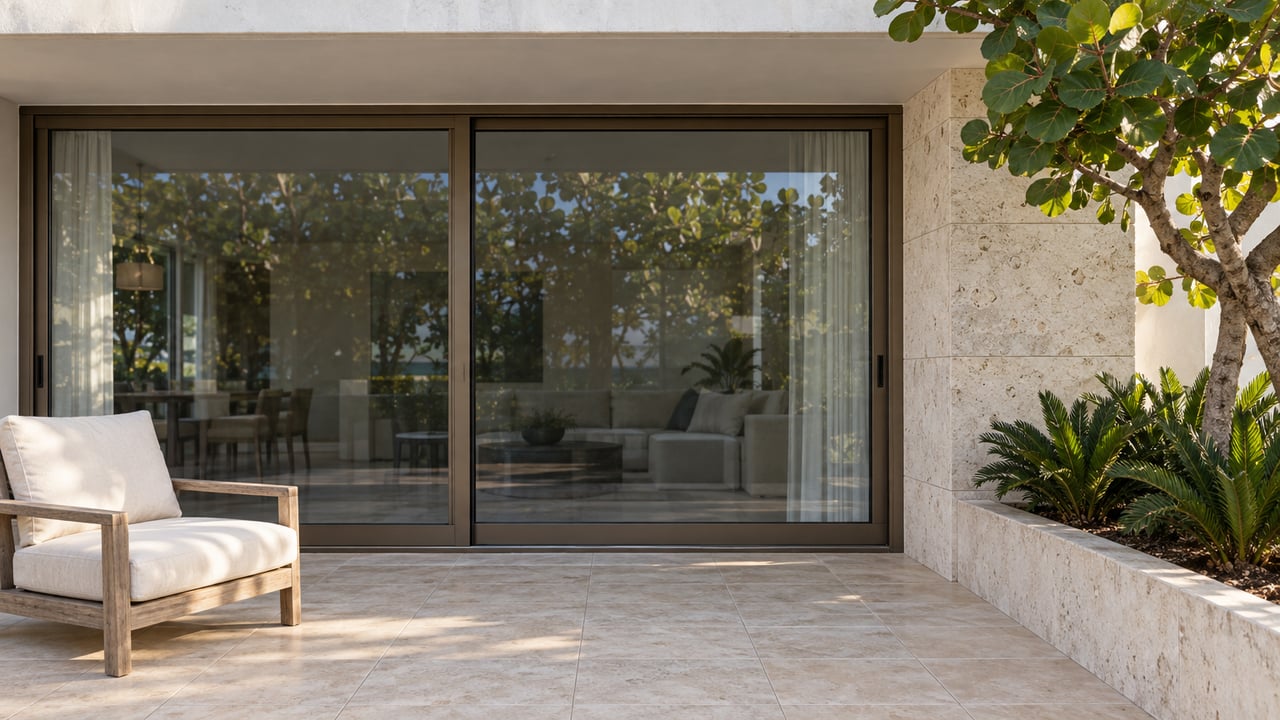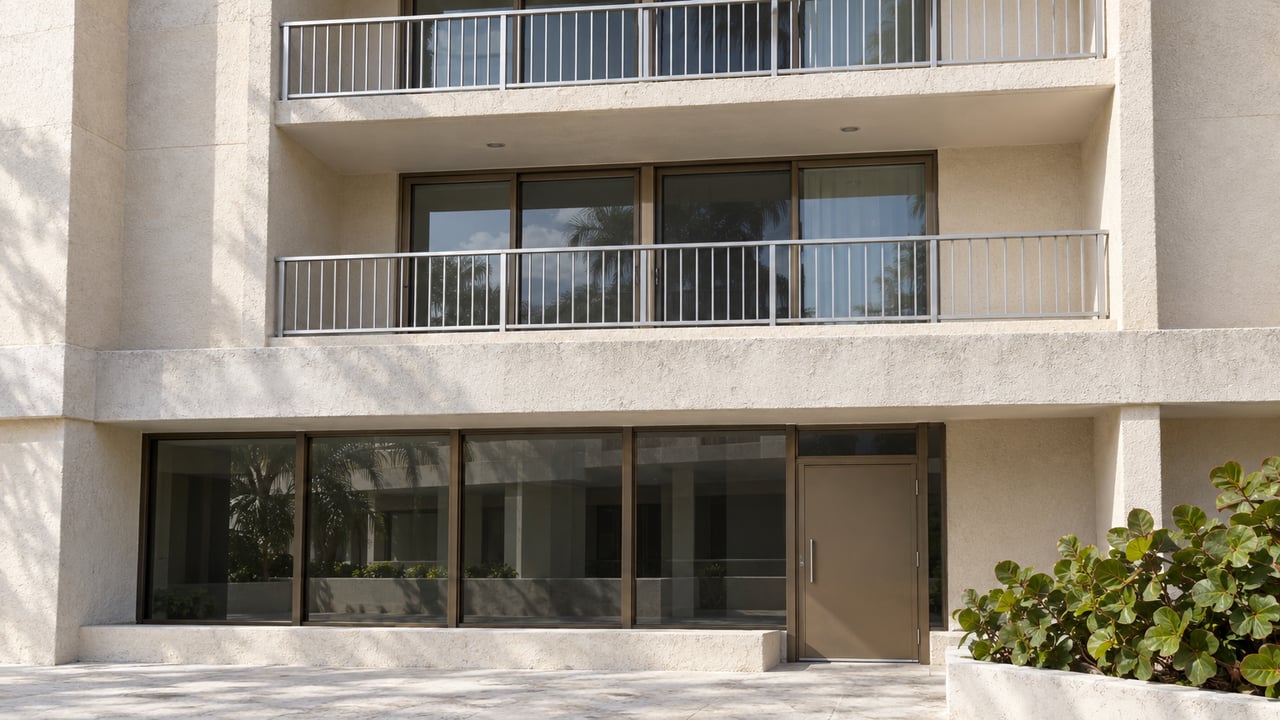
Thinking about buying a rental in Hollywood, Florida? You are not alone. This part of Broward County offers two very different investment stories in one city: a beachside market shaped by visitor demand and a downtown market supported by year-round renters, events, and walkability. If you are weighing Hollywood Beach against Downtown Hollywood, understanding how demand, property type, and local rules line up can help you make a smarter buy. Let’s dive in.
Why Hollywood draws rental investors
Hollywood benefits from Broward County’s larger tourism and transportation economy. Broward says its beaches attract more than 12.8 million visitors a year and contribute more than $6 billion annually to the local economy. The county’s FY2025 report also notes 71.3% hotel occupancy, a $184.10 average daily rate, and 343,000 booked room nights, up 17% from FY2024.
Those numbers matter because they support more than just vacation demand. Broward identifies tourism, the airport, and the seaport as major economic engines, which helps create multiple renter pools across the area. In Hollywood itself, the 2020 to 2024 median gross rent was $1,653, the median value of owner-occupied homes was $410,600, and the population estimate was 159,073.
For you as an investor, that means Hollywood is not a one-lane market. You are looking at a city with beach traffic, local housing demand, event activity, and a broad resident base. That creates different opportunities depending on whether you want stronger upside, steadier occupancy, or a balance of both.
Hollywood Beach rental outlook
Hollywood Beach is built around tourism, hospitality, and the coastal lifestyle. The Hollywood Beach District spans 293 acres, from Sherman Street south to the south property line of the Diplomat Resort and Spa, and from the Intracoastal Waterway to the Atlantic Ocean. The city describes the area as home to oceanfront hotels and resorts, a nearly 2.5-mile Broadwalk, beachfront dining, live music, water sports, and year-round activities.
Beach Safety estimates 7 million beach visitors each year, and the city guards 4.5 miles of public beach. That level of visitor traffic helps explain why the beach side often appeals to investors looking at furnished, seasonal, or short-term strategies. It is a market shaped by convenience, views, and walkable access to the ocean and entertainment.
What properties fit Hollywood Beach
The beach area leans heavily toward condo and resort-style inventory. The city specifically highlights major beachfront properties such as The Diplomat Beach Resort, Trump Hollywood, and Margaritaville Hollywood Beach Resort as part of the environment. That points to a rental landscape that feels more hospitality-adjacent than suburban.
If you are shopping here, you will likely spend more time reviewing condo documents, building rules, and use restrictions. The right unit can align well with a furnished or seasonal model, but only if the building allows it. In this submarket, property selection matters just as much as location.
Who rents near the beach
Beach renters are often visitors first and local residents second. The likely audience includes vacationers, weekend travelers, snowbirds, and event guests who want to stay near the water, dining, and entertainment. The Broadwalk, beach theater programming, live music, and the shuttle connection between the beach and downtown all support this visitor pattern.
That can create attractive revenue potential, but it usually comes with more turnover. Cleaning schedules, furnishing, guest communication, and tighter operations can all play a bigger role. If you want a more hands-on investment with tourism-driven upside, Hollywood Beach may fit your goals.
Downtown Hollywood rental outlook
Downtown Hollywood offers a different type of investment case. The Downtown District covers about 580 acres and is served by US-1, Hollywood Boulevard, and the Dixie Highway and FEC Railroad corridor. The area mixes residential and commercial uses, with many older buildings and a traditional Main Street pattern along Hollywood Boulevard and Harrison Street.
The city’s October 2025 market vitality report shows downtown multifamily vacancy fell to 16.9%, annual absorption topped 750 units, and about 70% of ground-floor bays are occupied. Taken together, those numbers suggest improving demand and growing investor confidence. For many buyers, downtown feels more aligned with long-term use than a tourism-focused beach district.
What properties fit downtown
Downtown generally appears better suited to older apartments, mixed-use buildings, and smaller multifamily assets. That is consistent with the district’s age, street layout, and building mix. Instead of resort-style inventory, you are more likely to find properties that fit annual or mid-term rental strategies.
That can be appealing if you prefer more predictable occupancy and simpler operations. You may still need updates, careful underwriting, and a close review of expenses, but the day-to-day model is often more straightforward. For some investors, that tradeoff is worth it.
Who rents downtown
Downtown Hollywood has a stronger year-round lifestyle base. Renters here may include local professionals, service workers, relocating households, and people who want walkability with access to major roads. The appeal is less about a vacation stay and more about convenience, events, and everyday living.
ArtsPark at Young Circle helps anchor that identity. The 10-acre park includes an amphitheater, gallery, green space, and other amenities, and the amphitheater can seat 2,500 guests. The city and CRA also promote the monthly Downtown Hollywood ArtWalk, which adds galleries, murals, artisan markets, live music, and tours to the area’s event calendar.
Hollywood Beach vs Downtown Hollywood
If you are trying to decide between the two, think in terms of strategy before scenery. Both submarkets can work, but they support different rental models.
| Factor | Hollywood Beach | Downtown Hollywood |
|---|---|---|
| Demand driver | Tourism, beach visitors, seasonal stays | Year-round renters, events, walkability |
| Typical property style | Condos, resort-style buildings | Older apartments, mixed-use, small multifamily |
| Rental approach | Short-term or seasonal where allowed | Annual or mid-term often fits better |
| Operations | More active, higher turnover | More stable, more predictable |
| Lifestyle appeal | Ocean access, Broadwalk, dining, entertainment | Main Street setting, ArtsPark, local events, access routes |
In simple terms, Hollywood Beach often offers stronger tourism exposure, while Downtown Hollywood often offers more stability. Neither is automatically better. The better choice is the one that matches your budget, management style, and income goals.
Short-term rental rules matter early
If you are considering a beach property for vacation rental use, local rules need to be part of your search from the beginning. Hollywood requires a vacation rental license before operating or advertising a vacation rental. The city also requires a separate license for each vacation rental property.
The code treats advertising a dwelling unit for less than 30 days or one calendar month more than three times a year as direct evidence of vacation-rental use. There is also an inspection requirement before initial issuance and renewal. In addition, operators need a current Florida DBPR transient lodging license.
The city requires certain ad disclosures too, including maximum occupancy and the city and state license numbers. Vacation rentals must also have a local phone with 911 capability, follow parking rules, post noise-related notices, and have a representative available 24 hours a day, seven days a week. For you, that means compliance is not a side issue. It affects marketing, staffing, operations, and cost.
Taxes and expenses to underwrite
For qualifying transient rentals, taxes can materially affect returns. Based on the research provided, the current tax stack to budget for includes 6% Florida sales tax, 1% Broward discretionary sales surtax, and Broward’s 6% tourist development tax. If you are running nightly or shorter-term stays, those costs need to be built into your numbers.
You should also compare the full expense picture between the beach and downtown. That includes:
- Expected rent or nightly revenue
- HOA or condo restrictions
- Insurance costs
- Furnishing costs
- Management fees
- Parking availability
- Vacancy assumptions based on the intended use
A property can look great on the surface and still underperform if the building rules, tax burden, or management needs are not a good fit. The cleanest deals are usually the ones where the use strategy is clear before you go under contract.
How to choose the right Hollywood rental
A smart decision starts with your goals. If you want a more lifestyle-driven, visitor-facing asset and you are comfortable with a more active operating model, Hollywood Beach may deserve a closer look. If you prefer steadier occupancy and a year-round renter base, downtown may be the better lane.
It also helps to think about your time horizon. A seasonal condo can play very differently from a downtown apartment held for long-term cash flow. Your financing, reserve strategy, furnishing budget, and management plan should all support the type of rental you actually want to own.
That is where local guidance can save you time and money. In a market like Hollywood, the best investment is not just about buying in the right city. It is about buying the right property, in the right building, with the right use strategy behind it.
Whether you are comparing a beach condo, a mixed-use downtown property, or your next South Florida income-producing asset, working with a local team can help you evaluate the numbers and avoid mismatches between property and plan. If you want tailored guidance on Hollywood investment opportunities, connect with Mari Juliette.
FAQs
Is Hollywood Beach or Downtown Hollywood better for rental investing?
- Hollywood Beach often fits short-term or seasonal strategies where the building allows them, while Downtown Hollywood often fits annual or mid-term rentals with more year-round stability.
What makes Hollywood Beach attractive to rental investors?
- Hollywood Beach benefits from strong visitor traffic, a nearly 2.5-mile Broadwalk, beachfront dining and entertainment, year-round activities, and an estimated 7 million beach visitors annually.
What makes Downtown Hollywood attractive to rental investors?
- Downtown Hollywood offers mixed-use character, event activity, walkability, access to major roads, improving multifamily absorption, and amenities like ArtsPark at Young Circle and the monthly ArtWalk.
What are the Hollywood vacation rental rules for investors?
- The city requires a vacation rental license before operating or advertising, a separate license for each rental, inspections, a current DBPR transient lodging license, required ad disclosures, and ongoing operational compliance such as parking, noise notices, and 24/7 local representation.
What taxes should you budget for Hollywood short-term rentals?
- For qualifying transient rentals, the research indicates budgeting for 6% Florida sales tax, 1% Broward discretionary sales surtax, and Broward’s 6% tourist development tax.
What should you review before buying a rental in Hollywood?
- You should review expected income, HOA or condo rules, permitted rental use, insurance, furnishing costs, management fees, parking, vacancy assumptions, and whether the property’s operations match your investment goals.