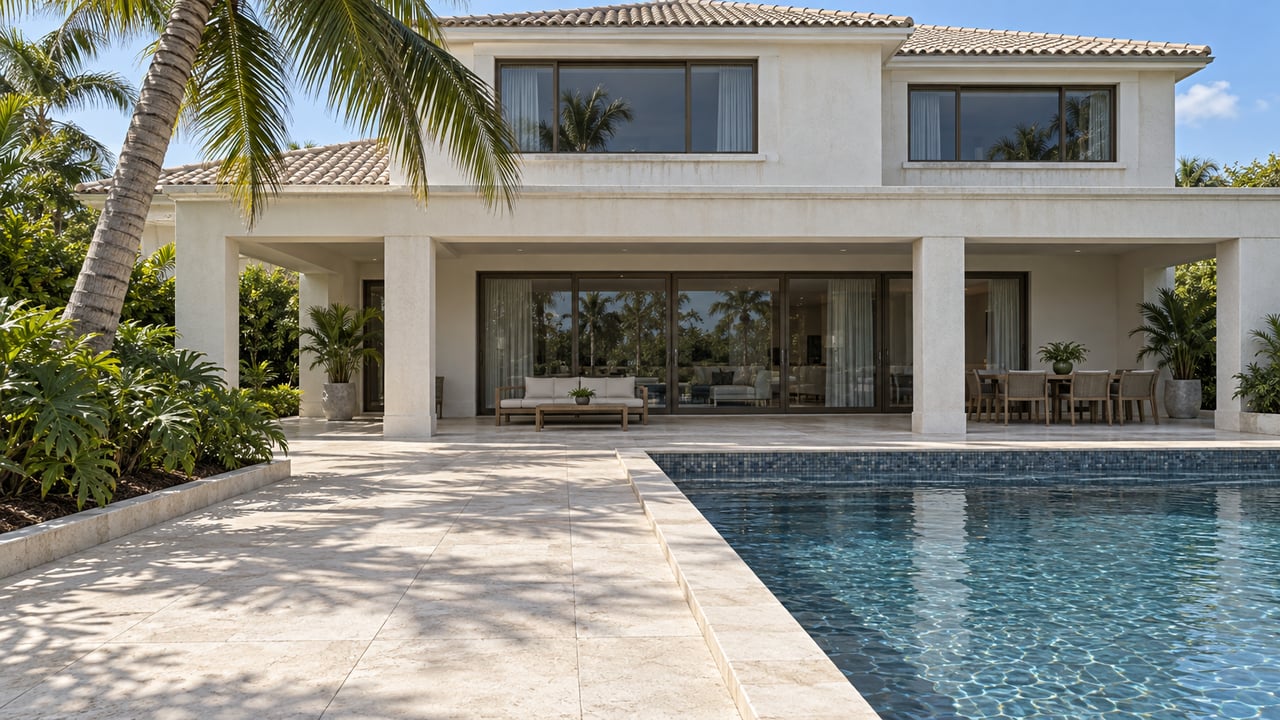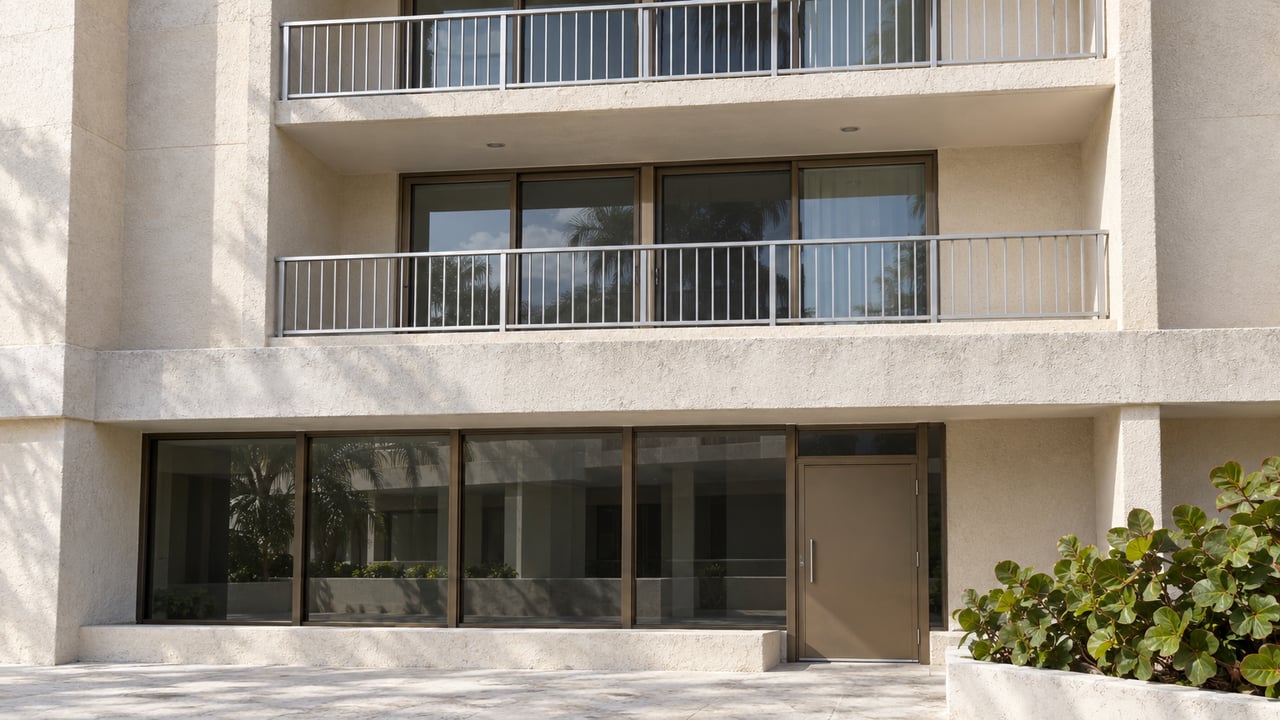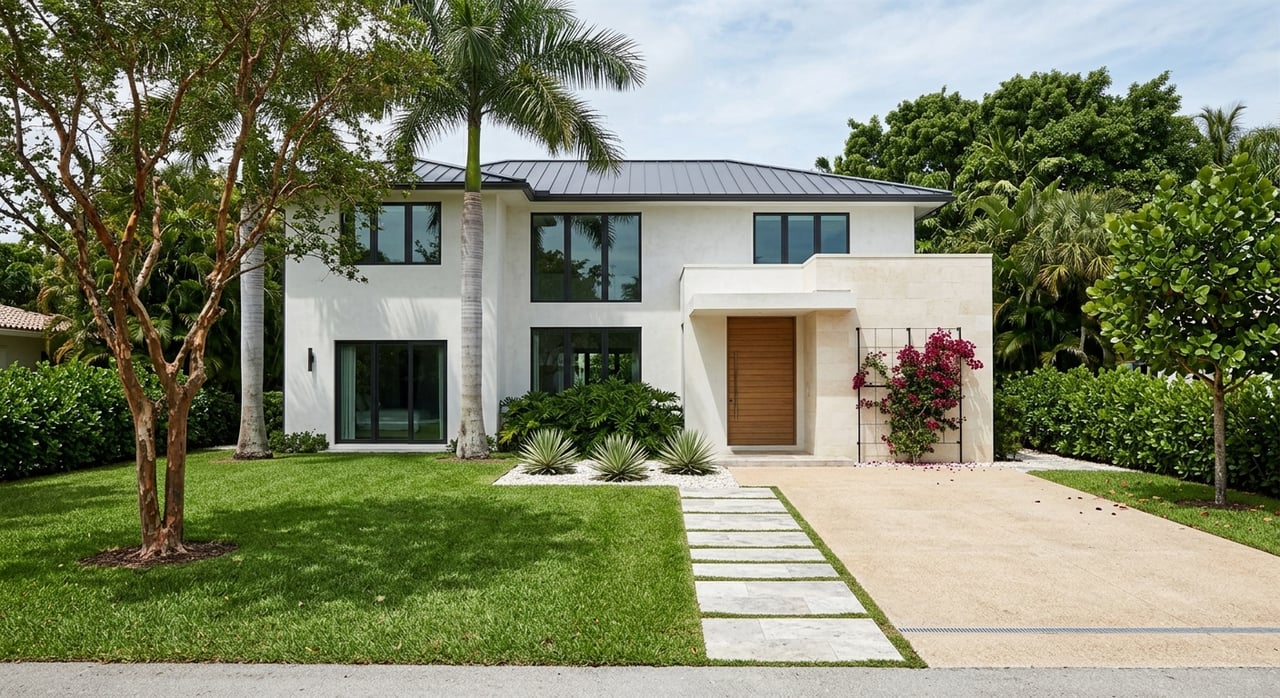
Moving to Fort Lauderdale can feel exciting and overwhelming at the same time. One part of the city puts you near the beach and boating, another puts you in the middle of downtown energy, and another gives you more space while keeping you close to everything. If you are trying to figure out where you fit, this guide will help you compare Fort Lauderdale neighborhoods in a practical way so you can make a smart move with confidence. Let’s dive in.
Why Fort Lauderdale Takes Comparison
Fort Lauderdale is not a one-size-fits-all market. The city has a downtown core, beachside districts, waterfront communities, and close-in residential neighborhoods that each offer a very different daily lifestyle.
That matters because citywide numbers only tell part of the story. Spring 2026 data places Fort Lauderdale around $510,000 in typical home value, with a median sale price of about $557,500 and roughly 3,130 homes for sale. Those numbers are useful for context, but they do not explain what your budget and lifestyle can actually buy in each area.
A better approach is to compare neighborhoods by how you want to live. Think about beach access, boating, maintenance, parking, commute patterns, housing style, and your full monthly cost before you focus on any one address.
Start With Your Lifestyle Priorities
Before you narrow down neighborhoods, get clear on what matters most in your day-to-day routine. In Fort Lauderdale, the best area for you often depends less on a “best neighborhood” label and more on how you want your week to feel.
Ask yourself questions like these:
- Do you want to walk to the beach?
- Do you want a condo, townhome, or detached house?
- How important are boating and dock access?
- Would you rather be near downtown activity or on a quieter residential street?
- How much maintenance are you comfortable taking on?
- Do parking, pet rules, or lease restrictions matter for your plans?
- What is your true monthly budget once taxes, insurance, HOA dues, flood coverage, and assessments are included?
Once you answer those questions, Fort Lauderdale becomes easier to sort into three practical buckets: beachside, downtown and urban core, and inland close-in neighborhoods.
Beachside Neighborhoods
If your ideal South Florida move includes sand, water views, or a second-home feel, beachside areas are often the first place to look. These neighborhoods offer the strongest connection to Fort Lauderdale’s coastal identity, with the city’s beaches and waterfront setting as the main draw.
Beachside Lifestyle and Housing
Beachside housing ranges widely. You will find beachfront condos, apartment-style units, and in some locations deepwater estates with docks.
That variety is why averages can be misleading here. A condo-heavy area may show a lower average than a nearby luxury waterfront neighborhood, even though both are considered beachside.
Beachside Price Ranges
Recent data shows a broad spread in this category. Central Beach Alliance sits in the low-$500,000 range, while Lauderdale Beach is around $1.42 million.
From there, pricing climbs quickly in top waterfront pockets. Las Olas Isles averages about $3.42 million, and Harbor Beach listings have ranged from roughly $17.9 million to $35.9 million, with sold examples stretching from a $440,000 condo to a $34 million estate.
Who Beachside Often Fits Best
Beachside neighborhoods can make sense if you want:
- Walk-to-beach convenience
- A waterfront or boating lifestyle
- A condo-based, lower-maintenance setup
- A luxury coastal property
- A second-home atmosphere
If that sounds like you, this area may be worth exploring first.
Beachside Questions To Ask
In Fort Lauderdale, coastal living also means asking practical questions early. The city notes that many residents live in or near a Special Flood Hazard Area, and Fort Lauderdale is highly vulnerable to king tides and sea-level rise because of its low elevation and waterways.
Before you get too attached to a beachside property, ask about:
- Flood zone status
- Flood insurance costs
- Seawall condition
- Recent mitigation work
- Any past or planned improvements tied to water management
These details can shape both your monthly cost and your long-term comfort with the property.
Downtown and Urban Core Options
If you want convenience, culture, and a more car-light lifestyle, the downtown core deserves a close look. Downtown Fort Lauderdale is anchored by the Riverwalk district, which the city highlights as a center of arts, science, culture, and historic assets.
This part of the city also benefits from transit planning and Water Trolley service, which can support a more connected routine. For many relocation buyers, that makes downtown one of the easiest places to settle into quickly.
Key Urban Neighborhoods
The main urban-core comparison points include Downtown, Flagler Heights, Sailboat Bend, and Tarpon River. Each one offers a slightly different mix of housing, price point, and feel.
Zillow data places Downtown around $632,000, Flagler Heights around $462,000, Sailboat Bend around $499,000, and Tarpon River around $548,000. That makes this cluster generally mid-priced relative to luxury beach and waterfront areas, though newer towers and premium riverfront addresses can cost much more.
What You Will Find Here
The housing mix in the urban core tends to be condo- and townhome-heavy. You will also see loft-style units and a smaller number of detached homes around the edges.
That can be a strong fit if you want lower-maintenance living while staying close to Las Olas, downtown offices, dining, or entertainment. Current listings in Downtown and Flagler Village include condos, townhomes, apartment buildings, and some single-family homes, which gives buyers a few different ways to enter the market.
Who Downtown Often Fits Best
Downtown and nearby urban neighborhoods often work well if you care most about:
- Walkability
- Nightlife and dining access
- Lower-maintenance housing
- Proximity to the central business district
- Easy access to arts and cultural destinations
For many buyers, the tradeoff is less yard space in exchange for more convenience.
Questions To Ask In Condo and Urban Areas
When you compare downtown options, look past the unit itself. In condo and townhome communities, the details of ownership can matter just as much as the floor plan.
Be sure to ask about:
- Parking availability
- HOA or condo dues
- Noise levels
- Lease rules
- Pet restrictions
- Renovation restrictions
Those factors can have a big impact on how comfortably the property fits your plans.
Inland Close-In Neighborhoods
If you want more house, more lot, or a stronger neighborhood feel without moving far from downtown or the beach, inland close-in neighborhoods are often the sweet spot. This group gives you a wider mix of home styles and price points while still keeping you near key Fort Lauderdale destinations.
Rio Vista
Rio Vista is one of the city’s older communities, with more than 1,000 homes, tree-lined streets, sidewalks, and varied architecture according to its civic association. Spring 2026 data puts Rio Vista around $1.997 million.
For relocation buyers, Rio Vista can appeal if you want an established residential setting close to the urban core, but at a much higher price point than many nearby neighborhoods.
Victoria Park
Victoria Park is another established east-side neighborhood. Its average value is around $806,000, which puts it above the city median but below several luxury waterfront markets.
A practical point matters here. Its civic association says the city identified Victoria Park as a Phase 1 stormwater neighborhood, with construction planned through early 2028, so drainage and street-work questions should be part of your due diligence.
Coral Ridge
Coral Ridge is a broader and more varied market, averaging about $1.134 million. Current single-family listings have ranged from roughly $1.07 million to $15.995 million, which shows how much variety exists within this area.
That range can be helpful if you want to compare conventional residential homes with luxury waterfront opportunities in the same broader neighborhood conversation.
Tarpon River and Sailboat Bend
Tarpon River and Sailboat Bend are often more value-oriented close-in choices. They sit around $548,000 and $499,000 respectively and offer a mix of houses, townhomes, duplexes, and smaller-lot properties.
Because they are close to downtown and Las Olas, they can be attractive if you want a central location without paying beachside or luxury east-side prices.
Flooding and Stormwater Matter Everywhere
It is easy to assume flood questions only matter near the water, but that is not the case in Fort Lauderdale. Even inland buyers should ask about flooding and drainage.
The city maintains a large stormwater system and continues neighborhood-level upgrades, which means infrastructure conditions can affect your ownership experience in several parts of the city. A beautiful home on the right block can still be a stronger choice than a similar home nearby if drainage, street conditions, or recent improvements are different.
As you compare neighborhoods, ask about:
- Flood-prone conditions on the street
- Nearby stormwater work
- Any recent drainage upgrades
- Insurance considerations
- How water moves through the neighborhood during heavy rain
A Practical Way To Narrow Your Search
If you are relocating and want a simple framework, start here.
Choose beachside if your priority is coastal lifestyle, walk-to-beach access, boating, or premium waterfront living. Choose downtown or Flagler Heights if you want low-maintenance urban living with convenience and activity close by. Choose close-in neighborhoods like Rio Vista, Victoria Park, Coral Ridge, Tarpon River, or Sailboat Bend if you want a balance of character, space, and relative value.
From there, refine your list by budget, home type, and monthly carrying costs. In Fort Lauderdale, the smartest relocation decision usually comes from matching your routine to the right neighborhood category first, then comparing individual properties second.
A move to Fort Lauderdale should feel exciting, not confusing. With the right neighborhood strategy, you can focus your search, avoid expensive surprises, and land in an area that supports the way you actually want to live. If you want personalized guidance on comparing Fort Lauderdale neighborhoods, reach out to Mari Juliette for local insight and responsive support.
FAQs
What is the best Fort Lauderdale neighborhood for beach access?
- If beach access is your top priority, start with beachside areas such as Central Beach Alliance, Lauderdale Beach, Las Olas Isles, and Harbor Beach, then compare budget, property type, and flood-related costs.
What is the best Fort Lauderdale area for downtown living?
- Downtown Fort Lauderdale, Flagler Heights, Sailboat Bend, and Tarpon River are strong places to compare if you want walkability, convenience, and a more urban, lower-maintenance lifestyle.
Which Fort Lauderdale neighborhoods offer more house for the money?
- Close-in neighborhoods like Tarpon River and Sailboat Bend are often more value-oriented than beachside or luxury waterfront areas, while still keeping you near downtown and Las Olas.
What should you ask before buying a Fort Lauderdale waterfront home?
- Ask about flood zone status, insurance costs, seawall condition, recent mitigation work, and any stormwater or water-management issues that could affect the property.
Why do condo rules matter in Fort Lauderdale relocation searches?
- In condo and townhome areas, lease rules, parking, pet policies, renovation limits, and HOA costs can all affect whether a property truly fits your lifestyle and budget.